
Immutep Ltd (ASX:IMM) has outlined a more focused development strategy for eftilagimod alfa (efti), targeting head and neck cancer patients with negative PD-L1 expression and the neoadjuvant treatment of soft tissue sarcoma (STS).
The biotechnology company is preparing for its next clinical trials, with studies targeted to begin in the second half of 2027, subject to final trial design, regulatory discussions, manufacturing timelines, partnering and available resources.
The strategy follows the early discontinuation of the TACTI-004 study and an ongoing root cause analysis that has identified subtle structural differences between efti manufactured at 200-litre and 2,000-litre scales.
Manufacturing differences under investigation
Immutep’s analysis identified differences including a subtle variation in N-glycan structure between the efti used in TACTI-004 and material used in earlier successful clinical studies.
The company considers these differences potentially relevant given the markedly different immune activation profile recorded in TACTI-004 and the study’s unexpected clinical outcome.
Based on the investigation to date, Immutep does not believe the TACTI-004 result can be explained by clinical factors such as protocol design, treatment-arm imbalances or safety findings, nor by trial execution issues.
Immutep has consequently contracted a new 200-litre manufacturing run of efti. Ten GMP batches produced at that scale were previously used in successful Phase I and Phase II studies including TACTI-mel, TACTI-002 and INSIGHT-003, while TACTI-004 exclusively used material manufactured at the 2,000-litre scale.
Clinical development narrows to two indications
Future registration-directed development will focus on head and neck squamous cell carcinoma (HNSCC) patients with a Combined Positive Score of less than 1, where Immutep has generated mature overall survival data and efti holds US Food and Drug Administration Fast Track designation.
The second focus will be efti in the neoadjuvant setting for STS, supported by positive Phase II data in which the primary endpoint was achieved. The FDA granted efti Orphan Drug Designation for STS in April 2026.
Licensing partner Dr. Reddy’s Laboratories has been consulted and supports the proposed strategy, while Immutep has begun preliminary discussions with other parties about the development pathway.
“Based on the totality of evidence generated with efti, we believe there is a scientifically and clinically justified path to continue its development. This includes clinical and translational data across multiple tumour types, consistent evidence of immune activation, encouraging results in soft tissue sarcoma and head and neck cancer with CPS < 1, and constructive regulatory interactions," Immutep CEO Marc Voigt said.
"At the same time, we fully recognise the significance of the TACTI-004 outcome. Our root cause analysis remains ongoing, including further investigation of smaller differences identified between product batches. We intend to apply these learnings rigorously and focus future potential development on settings where the clinical evidence, biological rationale, time-to-market and unmet medical need are most compelling.”
About Immutep and efti
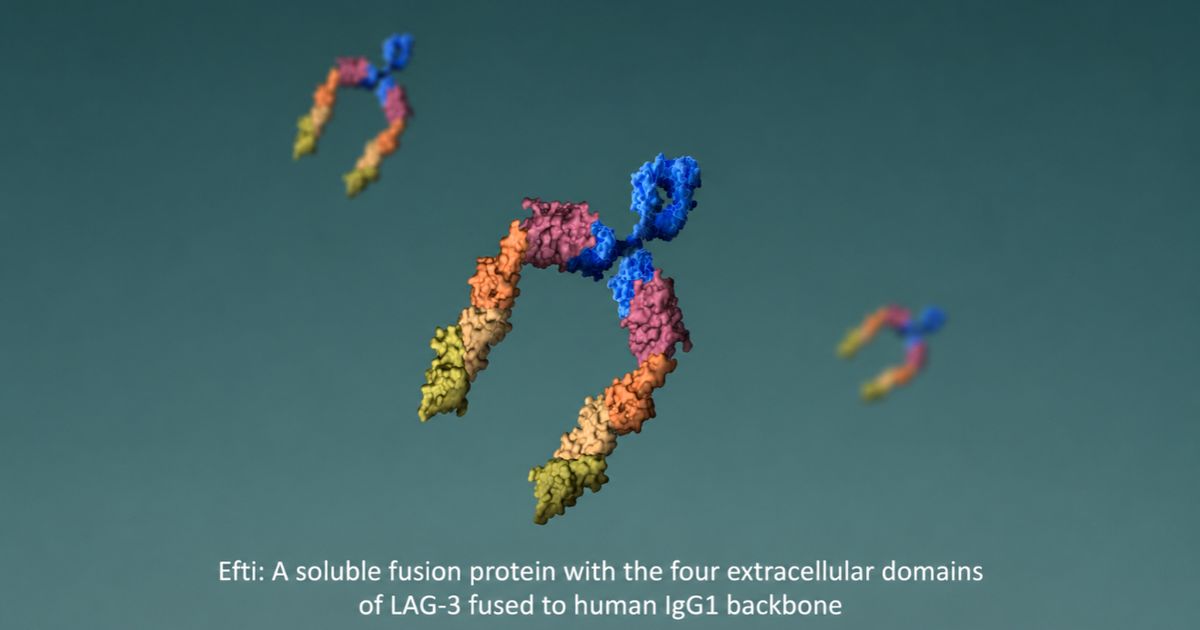
Efti is an immunotherapy designed to activate antigen-presenting cells through the MHC Class II pathway, stimulating both adaptive and innate immune responses against cancer. Its safety profile has supported combinations with anti-PD-[L]1 immunotherapy, radiotherapy and chemotherapy.
Immutep is a clinical-stage biotechnology company developing immunotherapies for cancer and autoimmune diseases, with a portfolio centred on therapeutics targeting Lymphocyte Activation Gene-3 (LAG-3). Development of its agonist anti-LAG-3 antibody IMP761 for autoimmune disease is continuing according to previously disclosed plans.


